








Research at Everest
What happens inside your head when you learn a language?
Bilingual Brains is the brainchild of our Academic Director, Dr Anne-Marie Connolly. Studies show that managing two languages in one brain provides mental exercise that trains the executive control system and keeps the brain healthy.
2015
Research since
KA2
Erasmus+ project
PhD
Led research

Advantages of a second language
Why we collect data on our own students.
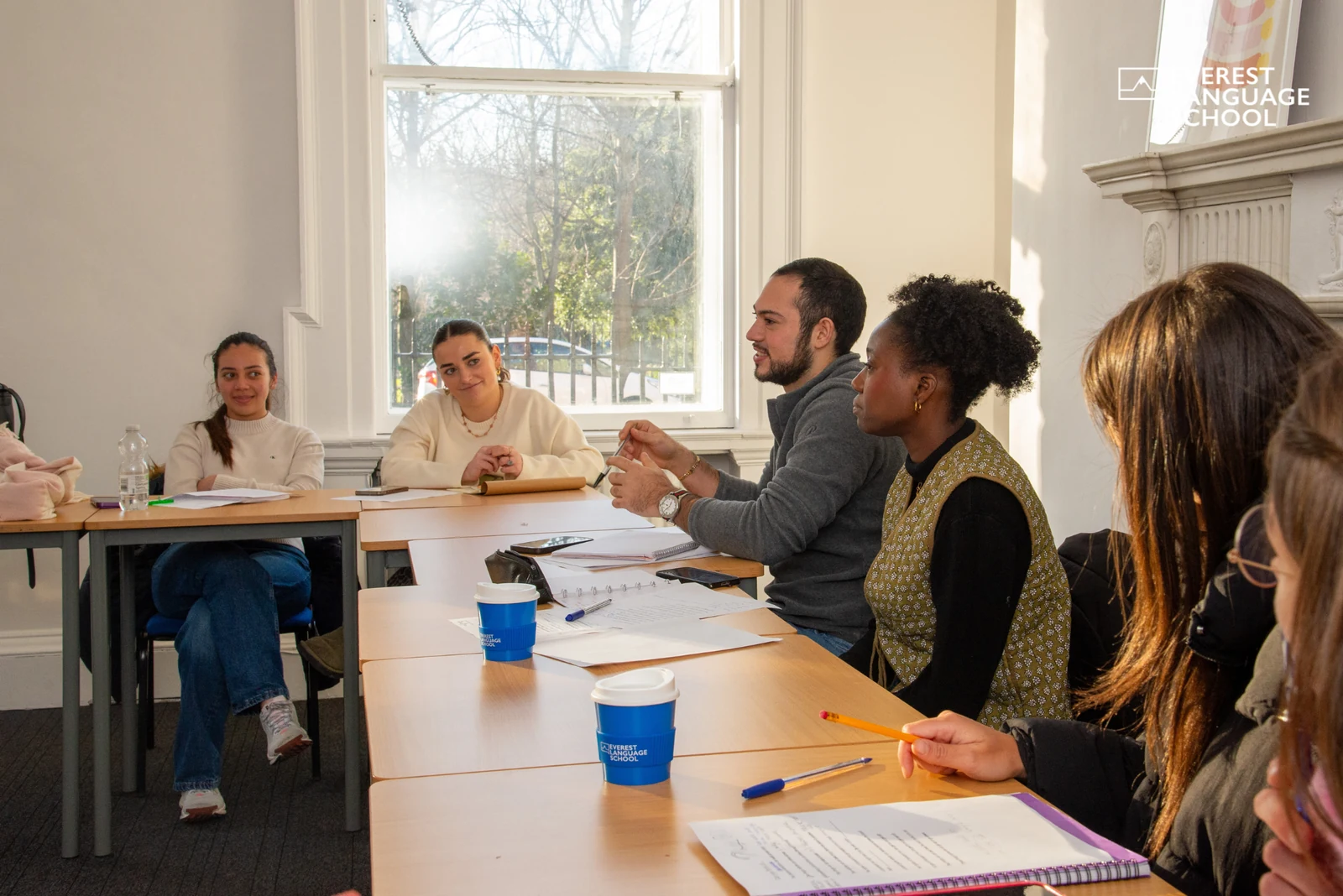
Learning a new language has many advantages: doing business on the international market, exciting travel opportunities, making new friends and learning about world culture. But it is also interesting to think about the ways that learning a new language changes the way you think and the way your brain processes information.
At Everest we collect data to learn more about how language learning changes the brain. We are interested in all the different ways that language learning happens, so we will ask you about your language history and your learning environment inside and outside the school.
These questions help us build models of types of language learner, and to understand which factors best predict successful outcomes. The data we collect shapes our curriculum, our methods, our advice and even our social programme, so that you are in the best possible environment to acquire a new language.

Erasmus+ KA2
Language education for people who have been displaced.
Led by our Erasmus Coordinator Olivia Rule, Everest spearheaded a project designed to find new approaches to language education for refugees, asylum seekers and socially excluded adults.
By integrating the therapeutic benefits of art therapy with traditional language acquisition, we created a framework that prioritises the learner's wellbeing, so that education becomes a bridge to both social inclusion and personal healing.
Every organisation recognised by the programme is assigned an Organisational ID by the European Commission. Cite E10187369 when applying for your grant. We are also a member of the MyErasmus Course network in Dublin.

Key outcomes & partnerships
A teacher training syllabus that travels.
Read more about our research.
12 October 2026
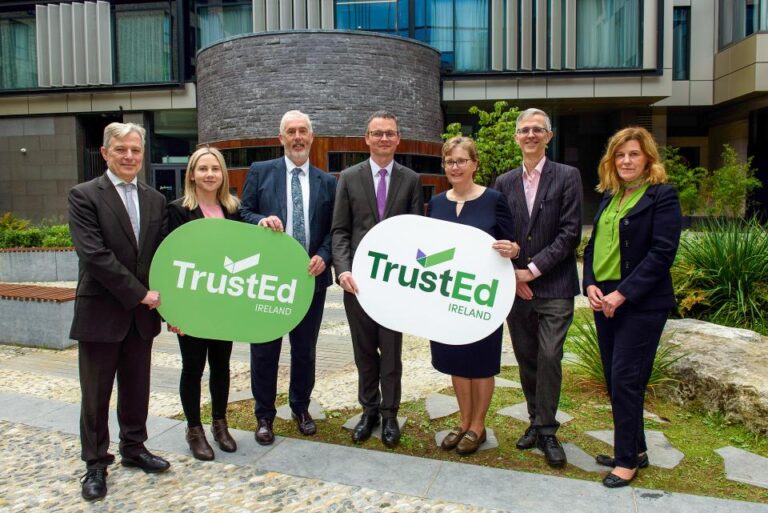
TrustEd Ireland: What the TrustEd Mark Means for International Students in Ireland
What is the QQI TrustEd Ireland mark, why it matters when you choose an English school in Ireland, and where Everest Language School stands.
1 October 2026
TrustEd Ireland Authorisation Journey – Everest Language School
Everest Language School has completed every operational phase of the TrustEd Ireland (IEM) evaluation and is now awaiting the final decision from QQI.
6 January 2026
Cost of Living in Dublin, Ireland – Guide for International students 2026
Cost of Living in Dublin 2026 We are here to help you to start your journey with Everest in Dublin! As you prepare to immerse yourself in the adventure of learning English abroad, we want to provide you with some clear information regarding living costs in Dublin. You can use this guide to … Cost of Living in Dublin, Ireland – Guide for International students 2026 Read More »