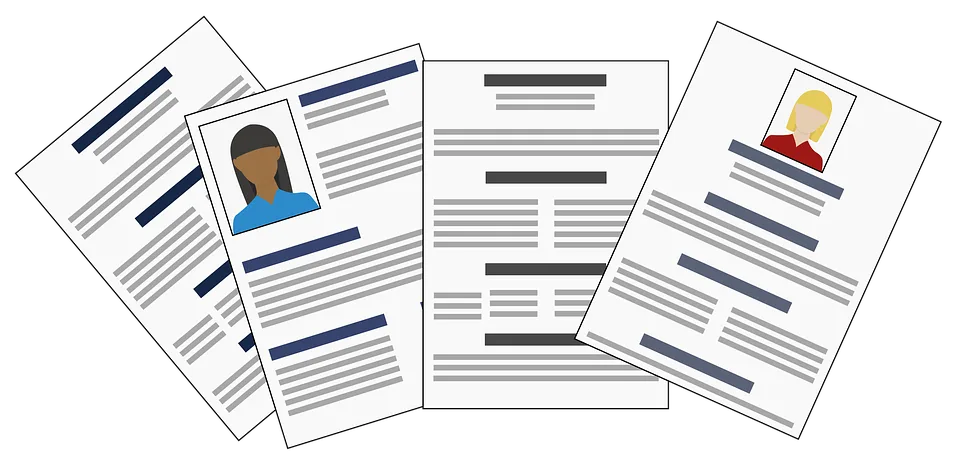
Your CV in English
Everest Podcast Ep 5 (Business Mini-Series Part I)
Making the Perfect CV in English
10 tips: How to make the perfect CV in English
Your CV in English should be no more than 2 pages
Keep it punchy, succinct, to the point
Think about how many CVs an average employer might have in their pile of applications
For example, if you are applying for a job as a hotel receptionist, instead of writing:
“I met new guests when they arrived at the hotel and I checked them into their room”
You should write something like:
“Greeted and checked-in new guests”
Keep your CV up to date & accurate
Make sure your CV is current – keep it updated on LinkedIn too or your personal website
Describe accurately what you did in various jobs
Don’t leave suspicious gaps – were you in prison?! You won’t be given the benefit of the doubt
Edit your CV slightly for each job you apply for. Don’t make a single, generic CV. You should have a CV in English for every type of job you are applying for.
Make your CV, double-check it, then get someone else (a native speaker!) to take a look
If you can’t write a CV in English without making spelling, grammar, or layout mistakes, why should an employer assume you wouldn’t do the same working for them?
It’s an easy way for an employer to whittle down their applications and rule people out
It should be concise, well-written and tailored to the job. It’s a brief summary that will encourage the potential employer to read more
Try to give useful numbers – don’t be vague
If it’s a marketing job
Don’t say, “I increased the company’s social media following”
Which social media? By how much? Was that expected?
Say “Over my first 6 months in the job I increased the company’s Twitter and Facebook following by 45%, double the previous year’s growth.
You might massage the truth though!
If, in your last job in a pub, you occasionally made coffee, say you have “café experience” but don’t say you’re a trained barista. When you get the job and you can’t make proper coffee this is going to be obvious.
Talk up other, relevant skills
The key word is relevant. Nobody care if you “love reading”, unless you are applying for a job in a bookshop, in which case, what do you read? Why? Why are you great at giving book recommendations? Maybe you started a local book club? Maybe you write online book reviews?
Include some skills that are unique to you – stand out!
Please avoid the meaningless CV phrases like:
A team player / a good communicator / an outgoing person
Don’t be put off by employers looking for “fluent English”
Most employers don’t really understand levels of language proficiency in the way that language learners do. Almost every job supposedly requires “fluent” English but that’s clearly not the case in reality
For many jobs what you really need is good, conversational English (B1 – B2 level) and lots of confidence
Everyone judges a book by its cover.
Get a good layout for your CV (there are lots of templates but customize it a little to stand out). If your CV is hard to read, difficult to find key information, or just plain ugly, it’s going to count against you. There are lots of good CV templates available for free, and, if you want to get creative, check out Canva.