





About the Erasmus+ Project
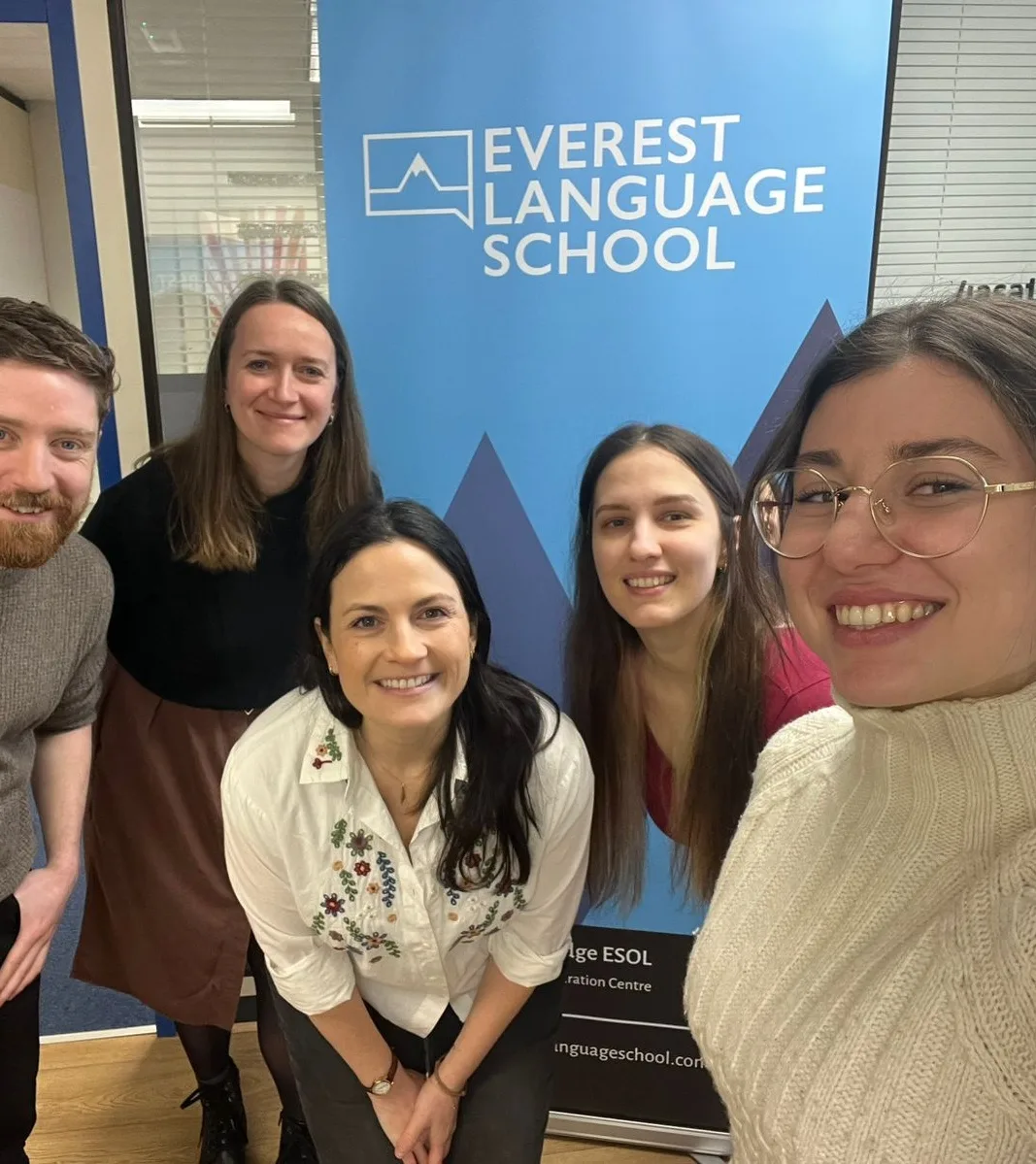
In Everest our team and students have always looked for way to have a positive impact on society. So we are very excited to tell you about a project we have been working on, one that we believe can make a meaningful impact. Since January, Everest has partnered with organisations in Greece and Czechia on an Erasmus+ funded initiative aimed at integrating therapeutic practices into language education for refugees, asylum seekers, and socially excluded adult learners. This nine-month project, running through September 2025, will culminate in the development of a pilot two-week training program for educators, which will be held in Dublin for international participants.
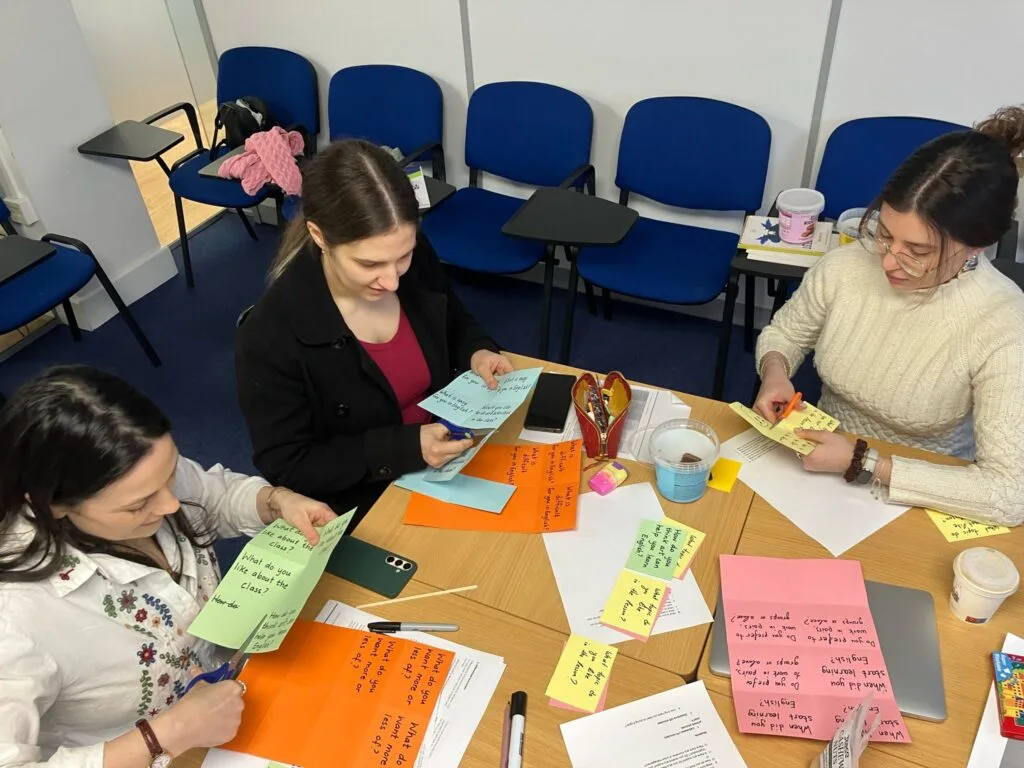
Classrooms across Ireland are made up of students from all backgrounds and cultures and it’s crucial that teachers are equipped with the skills and training necessary to deliver trauma-informed lessons, especially for vulnerable learners. The aim of this project is to ensure that English language classrooms will be inclusive and able to cater to students of all backgrounds and experiences. Research has shown that many refugees and asylum seekers struggle to engage with traditional English language instruction, while also facing additional challenges due to limited English proficiency. This is why Everest and our partners have launched this initiative—to develop a comprehensive and practical syllabus that integrates art therapy and other therapeutic practices into ESL teaching, ensuring all learners have an equal opportunity to enhance their English language skills.
Partner Organisations
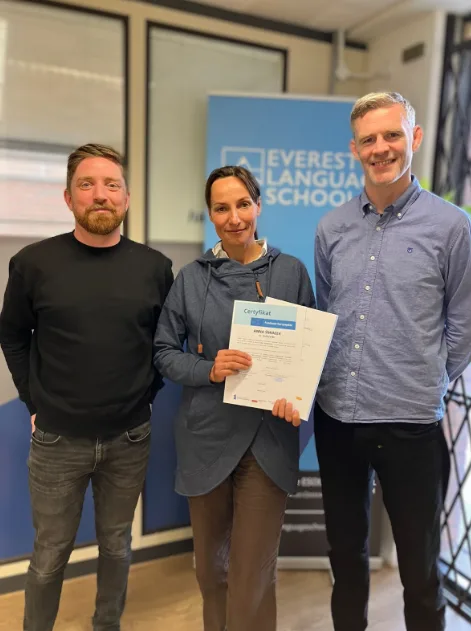
Everest has partnered with two incredible international organisations to undertake this international Erasmus+ project. Both Amaka and Integracni Centrum Praha (ICP) are doing crucial work with displaced and marginalised individuals across Europe in the space of art therapy, social and legal counselling, language education and much more. The representatives from both of these organisations, Maria Vlachopoulou and Eva Šenkýřová respectively, possess essential expertise and experience in providing services to refugees and asylum seekers that will be incorporated into the final creation of the trauma informed teacher training syllabus. Both of these organisations do fascinating work and we are very lucky to have them on board for this project.
Amaka is based in Greece and runs art therapy workshops, aimed at fighting loneliness and social exclusion, with a particular focus on marginalised groups. This organisation is able to bring valuable insights into the benefits of art therapy for expression and connection to this project, providing expertise on the best ways to incorporate it into language teaching.
ICP, based in Czechia, works to ensure that individuals who have been granted international or special protections receive fair treatment in Czech society. Their main focus in recent years has been on integrating those fleeing the conflict in Ukraine, through projects such as language education, counselling, legal help, social integration courses and much more. They are taking part in this project to supply guidance on working with displaced individuals and providing language education to refugees and vulnerable groups.
Dublin Erasmus+ Study Visit
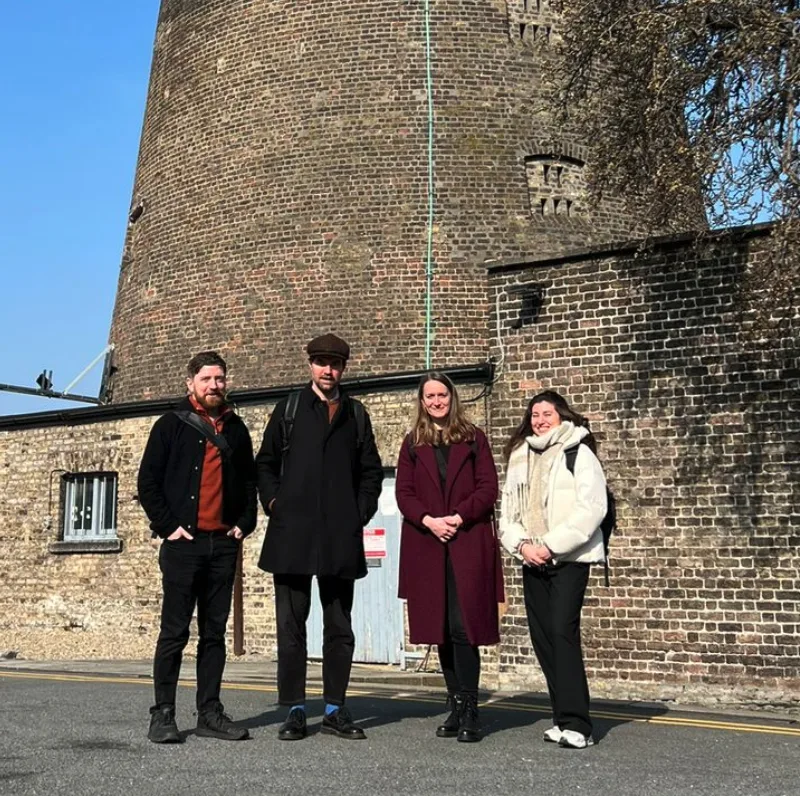
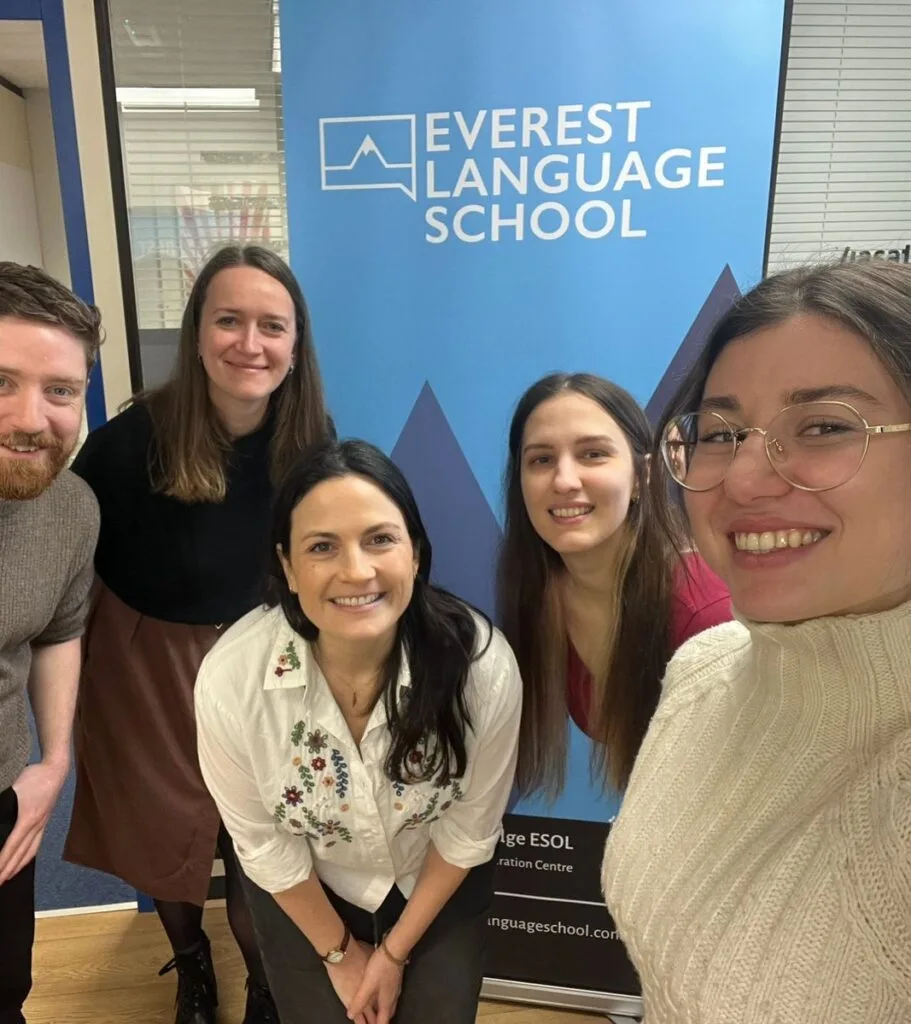
We were delighted to kick off this project earlier this year in March with a visit with representatives from our two partner organisations in Dublin. Maria Vlachopoulou from Amaka and Eva Šenkýřová from ICP both travelled to Dublin for 4 days of in person project planning. As well as focusing on the creation of the syllabus, Rob, Maria and Eva conducted two fieldwork visits which were very beneficial and informative to the project. The first was to FIT, an organisation providing internships, training and language education to discuss their work with Ukranian refugees. They spoke to Robert Ardiff and numerous people in FIT, from managers to teachers and students about their experiences of English language teaching specifically aimed at vulnerable groups.
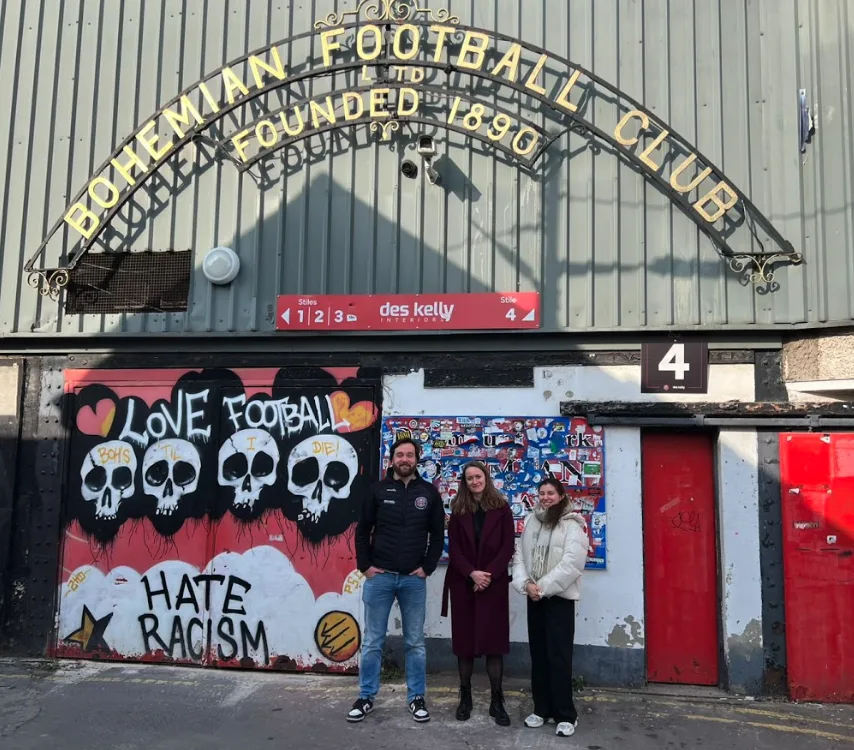
Our second visit was to speak to Sean McCabe, the Head of Climate Justice & Sustainability at Bohemian’s Football Club. Sean has been involved in various projects with Bohemian’s to boost inclusivity including a groundbreaking climate co-operative. This co-op provides afterschool youth programmes as well as sustainability projects for adults currently serving time in Mountjoy prison. The aim of these projects is to create and encourage community collaborations for social change and improvement. Sean spoke in depth to Maria, Rob and Eva about his current project providing training courses to people in direct provision, allowing them to upskill and engage in community apprenticeships. These conversations were so beneficial to our project as it allowed us to gain insights into how current training courses aimed at displaced individuals in Ireland are being delivered and allow for creative collaboration from both of our projects.
Next steps in the project
This project will continue this year with two more in person meetings this summer, first a May trip to Greece followed by a visit to Prague the month after. The Greek session will be led by Amaka and will focus on hearing from therapists and facilitators involved in art therapy sessions for refugees. Representatives from both Everest and ICP will have the opportunity to observe and engage in non-ESL focused art therapy sessions, and gain insights into how these practices and can be adapted into an language curriculum.
The Prague session will provide an opportunity for representatives from Everest and Amaka to observe teachers providing lessons to recently arrived refugees, specifically those from Ukraine. Observation sessions will help to facilitate opportunities for understanding of how teachers provide trauma-informed lessons to these groups. Feedback and collaborative sessions will follow, allowing participants to develop lesson plans and syllabi with the guidance and input from facilitators from ICP.
The project will culminate in the development of a syllabus focused on therapeutic teaching methods for English language teaching for refugees, asylum-seeking and socially- excluded adult learners. This syllabus will be delivered as a training course for teachers held in Ireland, and will have been informed and guided by the collaboration and actions undertaken by Everest, Amaka and ICP representatives. It is the hope of Everest that this syllabus will not only be beneficial to language teachers, but will inform and inspire future research into this area to ensure that language learning is accessible and inclusive to all. We are very excited for what the rest of this year has in store and we look forward to sharing it with you in the coming months!